Water and wastewater infrastructure has advanced far beyond gravity-based systems. As communities expand and land becomes more complicated to create, engineered pumping solutions play an essential role in making sure that water flows smoothly and safely. A well-designed pump station could be used for everything from stormwater control and wastewater management to industrial operations as well as potable water supply.
Every pumping project comes with a particular set of requirements, including elevation changes flows as well as water quality and the need for ownership. Taking these aspects into consideration early during the design phase can help to reduce the risk of long-term operational problems and ensures that the system will function according to the specifications for years.
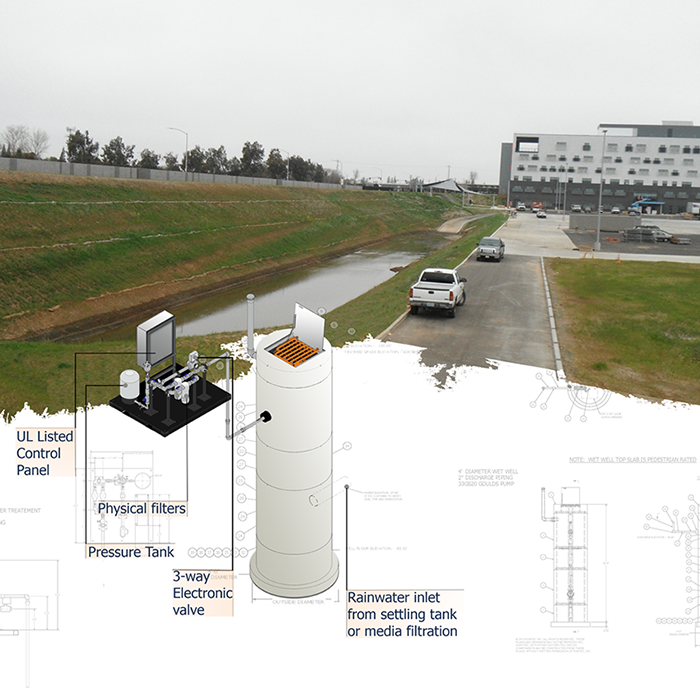
What is the reason a package pumping device should be designed for a specific project
A package pumping system is designed as a complete, integrated solution rather than a collection of off-the-shelf components. Conditions at the site, environmental regulations and operational goals determine how a system should be engineered. Each of these facilities requires various structural designs, management strategies, and pump configurations.
Engineers can make better decision through evaluating flow rates in advance as well as duty-points and estimated life-cycle costs. This method minimizes the need for redesigns and avoids costly surprises when construction is underway, and also aligns expectations among stakeholders from the beginning.
Wastewater Lift Stations in Modern Development
Sewer infrastructure has to adjust to the changing terrain and service area as urban areas increase. A wastewater lift station enables sewage to be conveyed from lower elevations to higher collection points and ensures reliable transportation to treatment facilities. These systems can be vital in places where gravity flow is not enough to meet the needs.
The design of wastewater lift stations must take into account the flow rate, the ability to handle the solids corrosion resistance, as well as regulatory compliance. Municipal systems often prioritize longevity as well as ease of maintenance while industrial or private systems might focus on capacity and adaptability. Custom-designed engineering ensures that the pumps, control systems and other structures are chosen in line with the operating environment.
Stormwater Lift Stations for Environmental Protection
The need to control stormwater is increasing as the growth of the population increases and weather patterns are becoming unpredictable. A well-designed and constructed lift station for stormwater is a great way to manage runoff as well as detention ponds that lessen the risk of flooding. These systems also support the environment by redirecting stormwater for treatment before release into the natural waters.
Stormwater pumping systems must function reliably across a wide range of flow conditions, ranging from moderate rainfall to extreme storms. The stations are constructed with peak flows, seasonal variations and long-term sustainability in view. Flexible materials and pumping techniques allow the system to adjust as demand changes.
Pumping applications for Industrial as well as Clean Water
Pump stations do not only serve municipal purposes. Pumping systems are commonly used in industrial facilities to deal with high temperature liquids, high pressure applications, oily waters, and chemically aggressive waste streams. To design for these environments requires specialized expertise and to carefully select materials.
Commercial, residential, and municipal distribution of water are provided by systems that offer safe water, which includes booster stations. For the sake of user satisfaction and dependability, it is vital to maintain constant pressure and flow. Pump stations used to water, reclaimed groundwater, extraction of groundwater, and a large water features have to balance effectiveness and endurance.
Integrated design from one source
Coordinating multiple suppliers for mechanical, structural electrical, and control components can add complexity and risk. A single source design and supply model simplifies project execution and improves system compatibility. Drawing on experience across many situations involving pumps allows design teams to come up with practical solutions quickly and effectively.
Romtec Utilities employs this integrated approach to stormwater, wastewater management industries and clean water projects. By managing all aspects of the pumping process from engineering and equipment selection through to the construction of housing and controls, projects benefit from improved communication and quality that is consistent.
Today’s infrastructure is built upon the ability of pumping systems to adapt to the actual situations, not to preconceived notions. A quick evaluation, a well-integrated execution and thoughtful design make sure that each pump station will meet its long-term owners’ and operators’ demands.