A bathroom in a park can appear as if it’s a tiny piece of a project worth millions. The construction of just one building may involve landscape architects, engineers, contractors, permit authorities, manufacturer of fixtures, material suppliers in addition to the owner.
Every transition poses a straightforward yet important concern:
Who’s responsible for making sure every stage is connected properly to the next?
When project or park owner teams are looking to compare park restroom design, this may reveal more than looking at a collection of finished buildings.
Handoffs Make sure you are aware
Imagine a bathroom already conceptually planned. The dimensions are perfect and the design was decided on for the exterior and the rendering was well-liked by everyone.
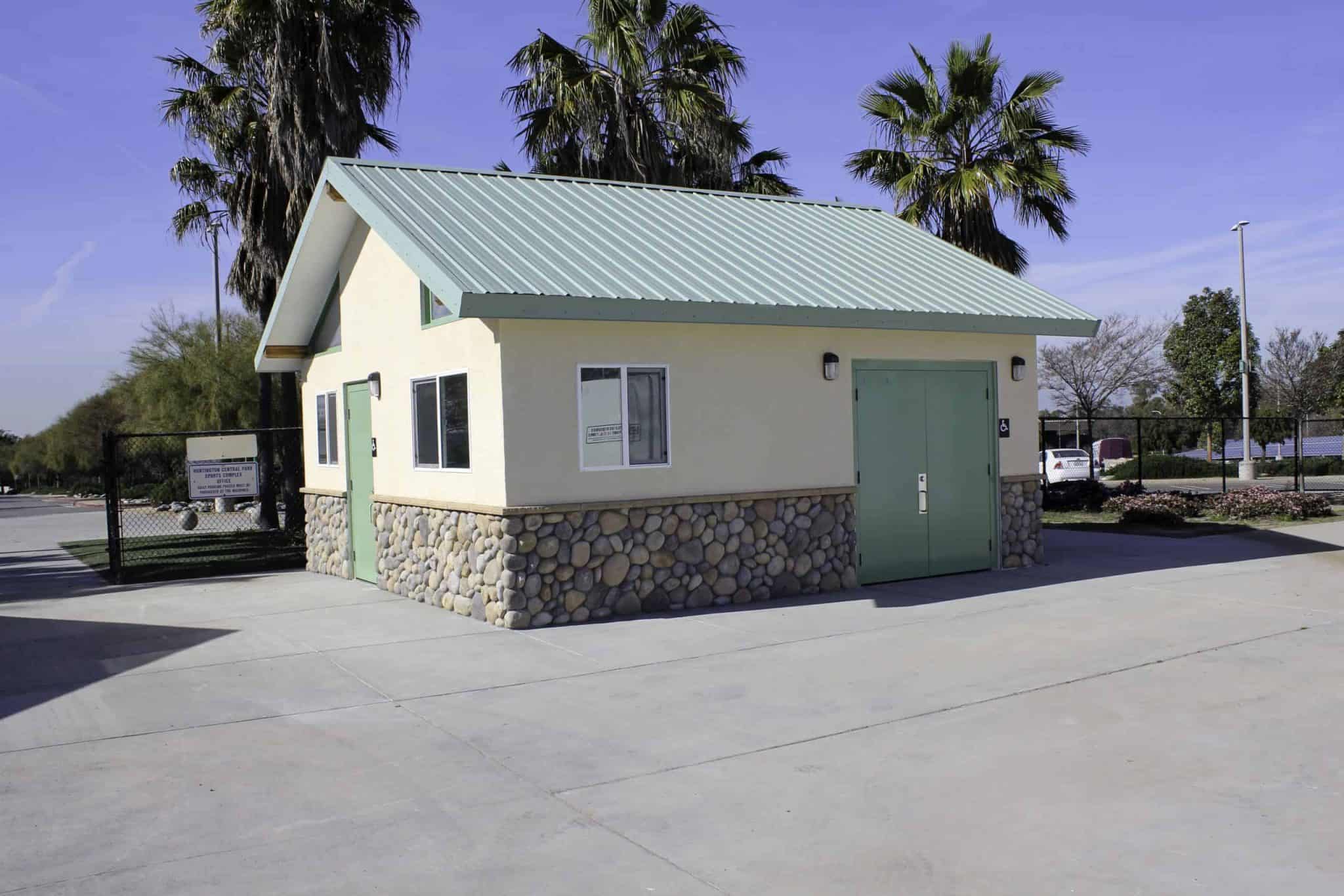
Image credit: romtec.com
Then engineering begins. The required changes affect the layout. The change is a factor in a component’s specification and therefore the procurement. The contractor is later able to determine that the design assumption doesn’t correspond to the actual product.
These types of issues don’t necessarily mean that someone has made the wrong choice. They highlight how coordination may be difficult when the accountability is divided among many people.
It is essential to take into consideration more than just the creativity of a potential candidate when looking at the best park design contender. Understanding accessibility standards, codes components, engineering documentation, and the construction reality can assist in connecting design decisions with the construction process.
Examine the proposal to determine what it includes
Two building plans that appear similar might actually have vastly different scopes.
One package might be a complete building. Another option is to provide assistance with design concepts renderings, drawings, or engineered plans.
If you only compare the lowest price, without understanding what makes them different, it can be misleading.
Romtec provides preliminary estimates and designs free of up-front cost. We also provide drawings of specifications, design, and renderings for bid packages. After acceptance, the process is extended to include complete submittals and engineered plans.
That gives owners and design teams a clearer path for getting from an idea to a construction-ready building.
Custom Requirements need Early Attention
Rarely, public projects are carried out under the same conditions.
Some communities may choose eco-friendly materials and fixtures. One community might be looking for specific architectural themes. Landscape architects might require unusual colors or styles of siding to visually connect the restroom to other structures in the park.
They may affect more than appearance. These decisions could affect components and documents, procurement, engineering and construction.
The earlier you address special requirements, the better the project team a chance to consider them as a part of the project instead of trying to modify them when major decisions have already been taken.
Construction Knowledge influences the Design Conversation
The best park restroom builder for a particular project should understand that a drawing eventually has to become a physical structure.
Romtec manufactures, supplies, constructs and designs buildings for public application. It is able to offer building package to be integrated into larger construction projects or complete installation.
That design-to-construction experience creates a practical perspective: decisions made at a desk eventually have consequences on a jobsite.
Do not only look at the destination, but the journey
It’s impossible to gauge how much coordination was put into the bathroom that was completed prior to its opening.
The building is visible for park owners. Visitors look at the structure. The project team also experiences everything that has been done before, including estimates, design choices and documentation, as well supply approvals, construction and design.
This is the reason choosing a park building partner shouldn’t stop at the question “Do you like their buildings?”
A more useful question is:
Are you able to help us make the building come from our imagination to a building which is accessible to the public?