For veterinarian practices, the phones don’t stop being important even if the office is closed. Pets can get sick at any time of the night, and clients can be in a panic on weekends, and emergency calls seldom occur at a time that is convenient. If calls are not answered or sent to voicemail or routed to a generic answering service with no expertise in the field, the result is usually furry pet owners, stress for vets on call, and lost opportunities for the practice itself.
This is the reason that after-hours communications are an important aspect of veterinary operations. A reputable veterinary answering service is much more than an answering service. It safeguards the relationship with pet owners, guides them towards the right next step, and eases the workload of staff members within. After-hours service is no longer a luxury in today’s world of veterinary medicine. This is the way the practice can provide continuity of care.
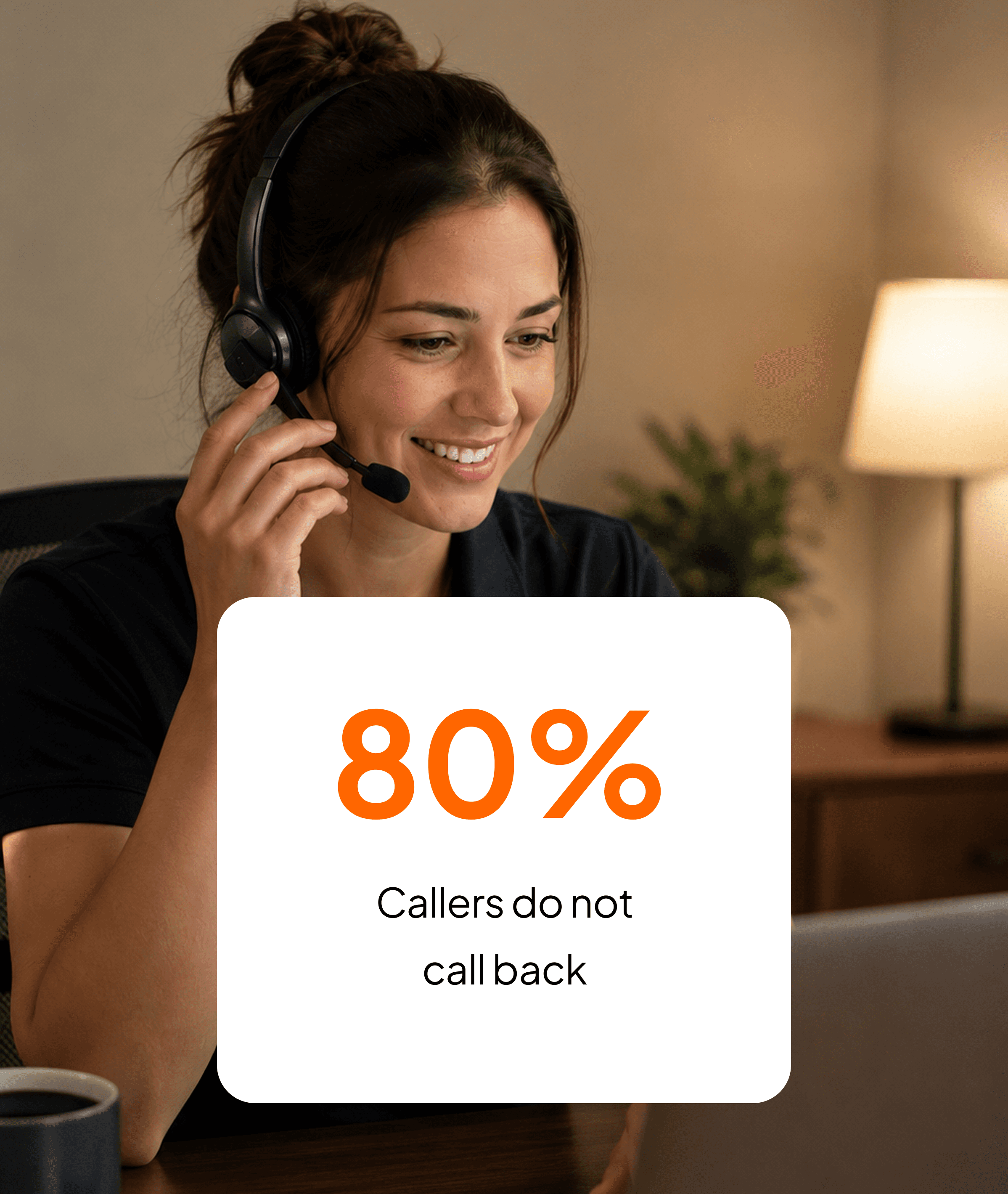
Image credit: guardianvets.com
Some answering solutions are not made for veterinary use.
There is a major difference between a generic answering service and a specialized vet answering service built specifically for animal hospitals. Calls after hours in a veterinary environment can be difficult. The patient might be concerned about post-surgical discomfort, toxicants, breathing issues, vomiting or even if their pet requires urgent care. These scenarios require more than taking messages. These situations require calm communication and judgment from someone with a thorough understanding of the workflows of veterinary medicine.
GuardianVets is different in this way. Instead of serving as an unassuming call center GuardianVets is a veterinary-focused support partner, staffed with Credentialed Veterinary Technicians. That distinction matters. A trained technician can assess the nature of the call, follow the clinic’s triage and escalation protocols, help the pet owner understand the level of urgency, and direct them toward the right next step without stepping outside the boundaries of the veterinary-client-patient relationship.
A vet triage service can help everyone make better decisions
A proper veterinary triage program can provide clarity during stressful times. Pet owners often don’t realize that a situation can be put off until the next day, or if they need to make a follow-up appointment or if they require urgent medical attention. With no guidance, a lot of pet owners fall to one of two outcomes: they either rush unnecessarily to an emergency facility or they wait too long to get medical attention.
This gap can be bridged by triage. It provides pet owners with a knowledgeable person to speak to, which reduces confusion, and helps practices ensure that urgent situations are dealt with properly while concerns that are not urgently required are properly documented and handled. This will prevent vets from being delayed by cases that don’t really require doctor-level interventions after hours. That can make a meaningful change in the work-life balance, particularly in hospitals where same doctors handle the clinical load during the day and the call-ins at night.
It is essential that the call center you choose is a good fit for your requirements and doesn’t interfere with them.
Modern call centers for veterinary medicine should not be a facility that is separate from your practice. It should be an extension of your team. This includes understanding your appointment guidelines and emergency protocols, escalation pathways, and communication preferences. Integration with your existing PIMS will allow you to incorporate triage notes, call documentation, and results of scheduling into the same system your team uses.
GuardianVets is built around that idea. The process involves auditing the gaps in coverage and mapping actual client communications. The process also involves creating an approach that reflects the actual reality of the clinic rather than forcing it to conform to a rigid model. This is a big change from traditional answering services, that often end at message recording and leave the practice to sort it all out later.
More than convenience is improved by a better after-hours coverage
A reliable veterinary after-hours answering service is more than reducing the number of missed calls. It preserves client trust when under stress, allows more patients within the practice’s network and enables the team to more effectively manage demand during off hours. This can improve revenue by converting weekend or overnight inquiries into booked appointments instead of wasting opportunities.
This reassures the pet owner that they can get help when needed. That kind of support matters deeply in veterinary medicine because after-hours calls are rarely just logistics. They’re also emotional. People worry about their loved animal and their reaction will affect how they feel about the situation long after the immediate situation is taken care of.
Hospitals that wish to enhance client care as well as team wellness, GuardianVets offers a model that goes beyond a standard answering service for vets. By combining clinical triage with workflow integration, and compassionate communications that allows practices to remain present for their clients even when the doors of the clinic are shut.